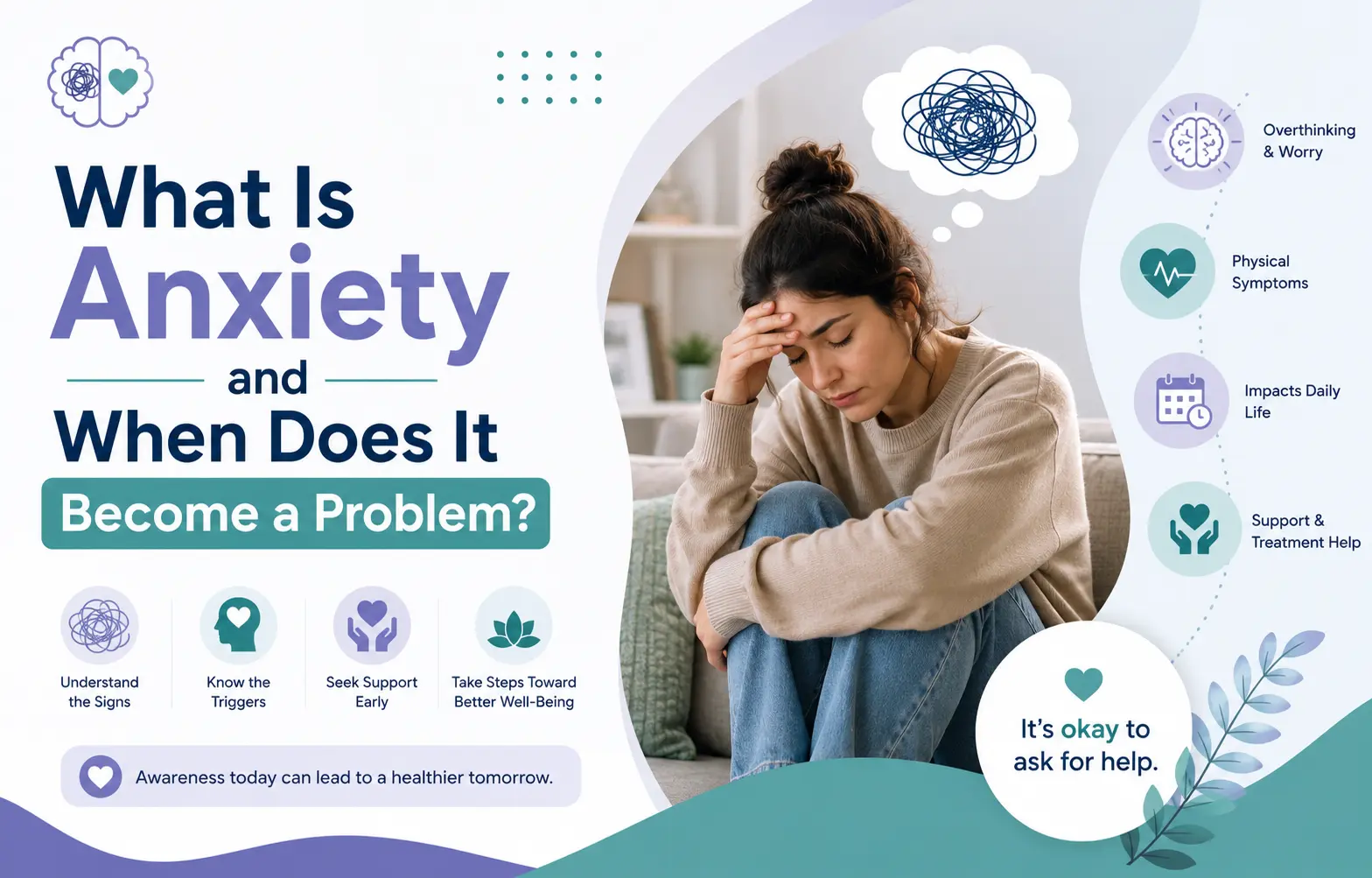
Imagine how you feel before a big presentation or a first date. Your heart begins to race, your palms become sweaty, and you start to fret about what might happen. “That’s normal anxiety. It’s just your body getting ready for a challenge.”
Imagine feeling like that every day, even when nothing stressful is going on. If your worries prevent you from sleeping, concentrating, or enjoying daily life, you may have an anxiety disorder.
Many people have anxiety disorders. They affect hundreds of millions of people around the world each year, including nearly one in five adults in the U.S. Anxiety disorders are common among people of all ages and backgrounds.
This article will cover the definition of anxiety, common signs to watch for, and the distinction between normal worry and an anxiety disorder. We will discuss the different types of anxiety, what causes it, and the best way to deal with it. By the end, you’ll know what steps to take if you or someone you care about needs help. Please remember you are not alone, and anxiety is very treatable.
Table of Contents
What Is Anxiety?
Everyday Anxiety vs. Anxiety Disorders
Anxiety is a natural human response. It’s part of our built-in alarm system to keep us safe. When the bodies of our ancestors were in physical danger, they released stress chemicals to help them fight or flee. Their hearts started to pound, their breathing to speed up, their senses to sharpen.
Today, we still have this same reaction when we experience stressful events in modern life, such as giving a big presentation at work or worrying about bills. It’s normal to have anxiety every day; it comes and goes, makes sense given the situation, and can even help motivate us to get things done.
But when it’s a disorder, anxiety feels overwhelming and doesn’t go away. It lasts long after the stressor is gone, feels far greater than the actual problem, and gets in the way of daily life. The main difference is the strength of the anxiety; the frequency, duration, and degree to which it interferes with normal living are greater.
How Anxiety Works in the Brain
Anxiety is a mixture of different things going on in your brain. The amygdala is a little area that acts like a smoke detector, sensing danger and raising the alarm. But when you know that you’re safe, another part of your brain, the logical thinking center, usually kicks in to shut off that alarm. For people with severe anxiety, this off-switch doesn’t work so well, and the alarm keeps ringing.
Brain chemicals also play a significant role:
- The natural brain chemicals that make you feel calm may be too low, or your chemicals that control mood may be out of balance.
- Stress hormones, like adrenaline, can keep the body in a state of “high alert.”
Anxiety is usually caused by a mix of things, such as your family history, brain chemistry, personality, and previous stressful or traumatic experiences. It’s rarely just one thing.
Common Signs of Anxiety
Anxiety can look and feel different for everyone. Usually, signs can be divided into three major categories: how your body feels, how your mind feels, and how you act. You might see just a few of these, or a little bit of all of them.
How your body feels (physical signs)
- Fast or pounding heartbeat
- Sweating or feeling suddenly hot
- Shaking or trembling
- Trouble breathing or breathing too fast
- A tight or painful chest
- Feeling dizzy or faint
- Stiff muscles, body aches, or headaches
- Feeling unusually tired or weak
- Stomach problems, like feeling sick, an upset stomach, or diarrhea
- A dry mouth or trouble swallowing
These physical signs can be frightening and mimic another disease. Always a good idea to check with a doc to make sure there’s not some other health issue going on.
How your mind feels (emotional signs)
- Worrying too much and feeling unable to stop
- Feeling jumpy, cranky, or on edge
- A strong feeling that something bad is going to happen
- Trouble focusing or having your mind go completely blank
- Feeling scared or fearful of normal situations
How you act (behavioral signs)
- Staying away from people, places, or things that make you anxious
- Not being able to sit still or pacing around
- Having a hard time falling asleep or staying asleep
- Repeating certain actions or habits to help yourself feel safe
- Putting tasks off until the last minute or over-preparing for things
Types of Anxiety Disorders
There are many different kinds of anxiety disorders that doctors recognize. The symptoms often overlap, so it’s common for people to have more than one type at once. Here’s a quick summary of the most common types.
Generalized Anxiety Disorder (GAD)
GAD happens when someone worries about everyday things like work, health, or family for six months or longer. It’s difficult to stop this worry, and it may lead to physical problems like feeling restless, exhausted, or irritable, or having trouble sleeping and concentrating. It’s not just routine stress; it’s chronic stress, and it can affect daily life.
Panic Disorder
This condition is characterized by sudden and unexpected panic attacks, which are sudden eruptions of intense fear. Symptoms may include a rapid heartbeat, sweating, shaking, difficulty breathing, chest pain, or feeling dizzy or detached from reality. People with this disorder often worry about having another attack, and these concerns may cause them to avoid certain places or activities.
Social Anxiety Disorder
This is a strong fear of social situations where a person might be judged, embarrassed, or rejected. This is much more than simple shyness. People might avoid going to parties, meetings, or eating in front of other people. The fear can feel even worse with physical reactions like blushing, sweating, or shaking.
Specific Phobias
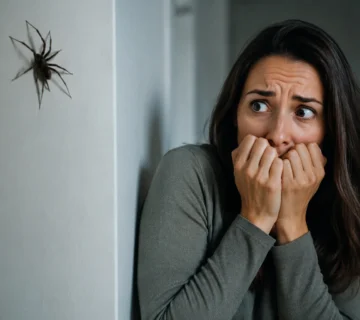
This is an extreme, ongoing fear of a particular object or situation, like heights, spiders, flying, or needles. The fear is immediate and makes the person avoid the trigger, even if they know it’s irrational.
Other Common Types
- Agoraphobia: Fear of places or situations where escape might be difficult, or help might not be available, such as crowds, public transport, or wide-open spaces.
- Separation Anxiety: A panic of losing the people you love. It is more common in children, but adults can get it as well.
- Selective Mutism: When someone speaks perfectly fine in other environments but is always unable to speak in certain social situations.
Note: OCD and PTSD were moved in DSM-5 to separate categories, but they often overlap with anxiety and have similar characteristics.
Comparison Table Idea:
| Aspect | GAD | Panic Disorder | Social Anxiety |
| Main Feature | Chronic worry | Sudden panic attacks | Fear of social scrutiny |
| Duration | 6+ months | Recurrent attacks + fear | Persistent in social |
| Avoidance | Situational | Places where attacks might occur | Social events |
When Does Anxiety Become a Disorder?
Anxiety may be a disorder when it:
- Feels stronger than the situation calls for
- Lasts for a long time, often for months
- Causes serious stress or makes it hard to manage work, school, relationships, or daily life
Some warning signs include:
- Missing work or school because of worry
- Pulling away from friends or family
- Having ongoing physical symptoms with no clear medical cause
- Using alcohol or other substances to cope
You can also ask yourself:
- Does my anxiety stop me from doing things I want or need to do?
- Has it lasted more than a few weeks?
- Am I having panic attacks or unwanted, upsetting thoughts?
Anxiety can also be experienced with depression, substance use, or other mental health conditions. That’s why it can be helpful to speak to a professional for a proper assessment.
Common Causes and Risks
There are multiple reasons this occurs. It’s usually a combination of a few things, like the following:
- Your Body and Genetics: “It can run in the family. Or it could be the natural chemicals in your brain, or other health issues like thyroid problems.
- Your Mind and Past Experiences: Your natural personality traits or negative thinking habits can also be part of your experience of trauma.
- Your Surroundings: High-stress situations, money worries, big life changes, or how you grew up.
- Your Daily Habits: Drinking too much caffeine, not getting enough sleep, skipping exercise, or using drugs and alcohol.
Knowing the source of these problems can help you find the right support and understand that it is not your fault.
How Anxiety Is Diagnosed
An anxiety diagnosis typically begins with a lengthy discussion between you and a doctor or other mental health professional. They usually will:
- Ask about your experiences: They’ll want to know about your symptoms, your personal history, and how your feelings impact your day-to-day life.
- Have you answered some questions? You might fill out a few simple forms to help them measure how you are feeling.
- Check your physical health: Sometimes physical problems can cause anxiety symptoms, like a thyroid problem or heart condition. They might do some basic tests to rule those out, like a blood test.
Doctors check a book of official medical guidelines to see if what you are experiencing fits a particular anxiety condition. Since there are no simple blood tests for anxiety, it’s vital to be honest about your feelings. The best thing they have to help you with is your own story of struggles.
You should get help if your anxiety: makes it difficult to live your normal life, feels totally out of control, or makes you think about hurting yourself. A great first step is to simply make an appointment with your primary care doctor or a therapist.
When to Seek Help
You should get help if your anxiety: makes it difficult to live your normal life, feels totally out of control, or makes you think about hurting yourself. A great first step is to simply make an appointment with your primary care doctor or a therapist.
Treatment and Management Options
The good news is that anxiety is very treatable, and once people get the right help, most feel a lot better.
Professional Treatments
- Talk Therapy: Working with a therapist is a good way to learn how to change unhelpful thinking patterns and gradually overcome your fears.
- Medication: Doctors will often prescribe medications to help balance your mood daily. Other quick-acting medications are available for short-term relief, but they can be habit-forming. Always talk to your doctor about the risks and benefits of any medication.
- Other Support: You might also find relief in guided mindfulness practices, specialized therapies, or speaking with a support group.
Everyday Habits and Self-Care
These daily changes work well alongside professional help and are excellent for managing milder anxiety:
- Exercise: Regular movement, like a daily walk, helps release tension and lift your mood.
- Better Sleep: Try to go to bed at the same time every night and put away your screens before bedtime.
- Relaxation Exercises: Practice deep breathing, relaxing your muscles step-by-step, or focusing on your five senses to ground yourself in the present moment.
- Dietary Swaps: Cut back on caffeine and alcohol, as both can trigger or worsen anxiety.
- Meditation: Use mindfulness apps or simple meditation practices to calm your racing thoughts.
- Connection: Share your feelings with trusted friends or join a community group.
- Journaling: Write down your worries and gently challenge them to see if they are actually true.
While these self-care steps are a good starting point, it’s advisable to seek professional help if your anxiety continues or intensifies.
Looking Ahead and Staying Healthy
You can’t always prevent anxiety from happening, but you can learn to cope with it better. Take good care of yourself, stay close to friends and family, find ways to relax, and ask for help early if something doesn’t feel right.
With the right support, talking to a professional, building healthy habits, and sometimes taking medication, most people with anxiety lead joyful, full lives. Getting better doesn’t mean you’ll never be nervous again. It just means anxiety won’t rule your life.
If you’re having trouble, please get in touch. Talk to someone you trust, schedule an appointment to see a doctor, or call a helpline. It takes courage to seek help, and you deserve to feel good.



No comment